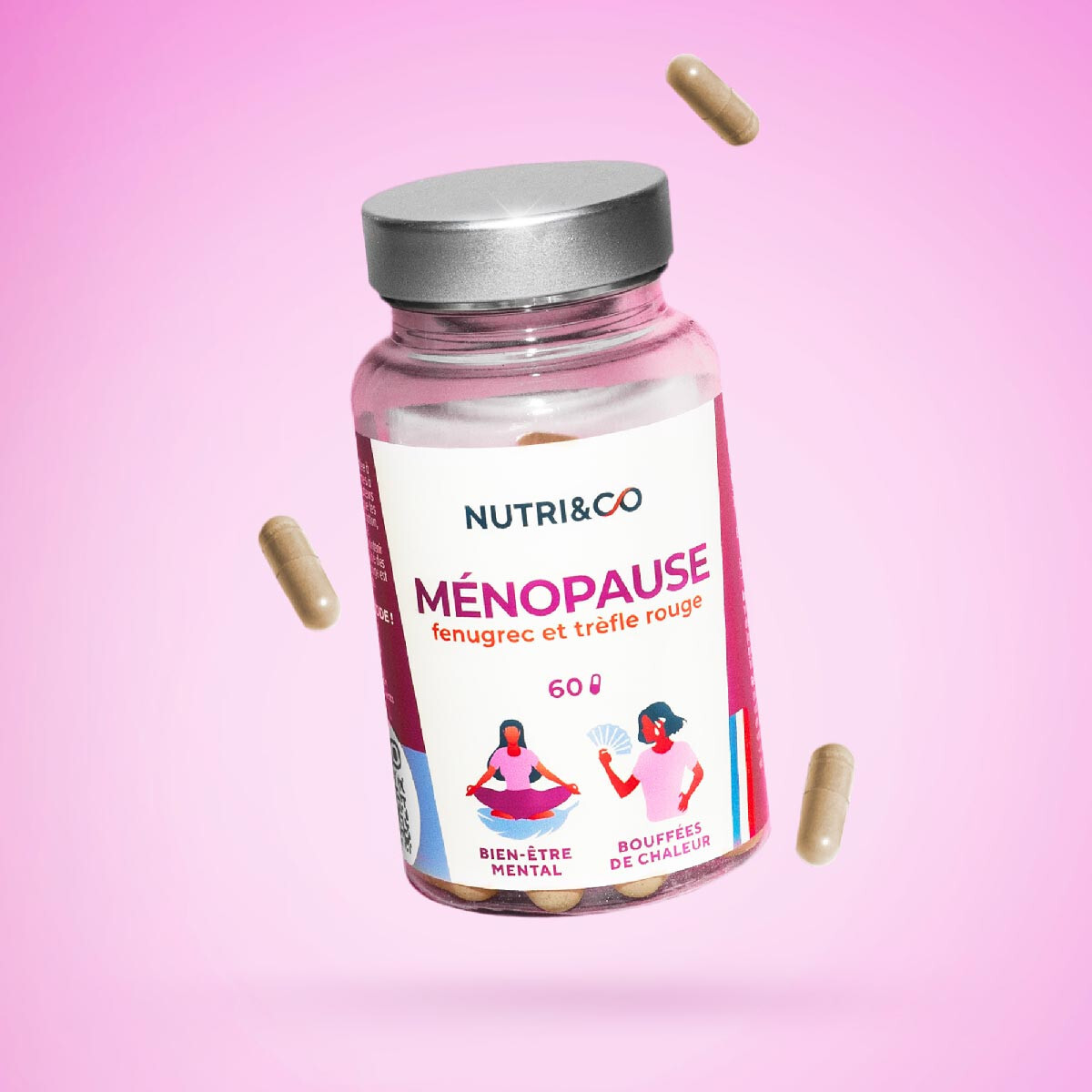
Nutritherapy and Women's Health
from adolescence to menopause
Supporting Adolescence, Perimenopause, and Menopause.
Women experience profound biological changes throughout their lives, from the hormonal awakening of adolescence to the fluctuations of perimenopause and the steady metabolic shift of menopause. Each transition brings its own physical, emotional, and metabolic challenges, yet nutrition remains one of the most powerful levers to support overall well-being.
Nutritherapy, which uses targeted nutrition and scientifically backed micronutrient strategies, offers personalised support to help women maintain hormonal balance, stabilise mood, optimise energy levels, and prevent long-term health risks. By understanding how nutrients interact with hormonal systems, practitioners can help women navigate each chapter of life with greater comfort and resilience.
1. Adolescence: Building the Foundations for Lifelong Health
Adolescence is a stage of accelerated physical growth and major hormonal restructuring. Many young girls experience unstable cycles, mood swings, acne, digestive discomfort, and iron deficiency. Nutritherapy focuses on stabilising these transformations by ensuring optimal intake of essential micronutrients.
Iron, vitamin B12, iodine, and omega-3 fatty acids support cognitive development, thyroid function, and emotional balance. Nutrients like zinc and vitamin A help regulate sebum production and support healthier skin, while magnesium and vitamin B6 contribute to easing premenstrual discomfort. This period is also crucial for bone mineralisation: ensuring adequate vitamin D and calcium helps protect future bone density and reduce long-term fracture risk.

2. Emotional Regulation and Cognitive Balance
The hormonal swings of adolescence and the early adult years can deeply affect mood and mental clarity. Nutritherapy targets neurotransmitter pathways using nutrients such as magnesium, omega-3 EPA/DHA, and B vitamins, which play a fundamental role in serotonin and dopamine production.
By supporting these biochemical pathways, women often notice improved concentration, a more stable emotional landscape, and reduced symptoms of anxiety, irritability, or premenstrual emotional drops. Proper nutrition also influences sleep quality—an essential but often overlooked factor in hormonal regulation.
3. Perimenopause: Managing Hormonal Fluctuations
Perimenopause is marked by erratic estrogen and progesterone levels, leading to symptoms such as hot flashes, sleep disturbances, irritability, fluid retention, and cycle irregularity. Instead of attempting to “fight” this natural transition, nutritherapy works to support the body’s adaptive mechanisms.
Phytoestrogen-rich foods like flaxseeds and soy (when tolerated) can gently modulate estrogen activity. Magnesium, vitamin B6, and plant adaptogens such as ashwagandha or rhodiola help reduce stress reactivity and improve sleep quality. Supporting liver detoxification is also key, as the liver plays a central role in metabolising fluctuating hormones. A diet rich in fibre, cruciferous vegetables, and antioxidants reduces the intensity of these transitions and stabilises daily comfort.
4. Metabolic Changes and Weight Regulation
From the mid-40s onward, the metabolic rate begins to decline, while insulin sensitivity may shift. This metabolic slowdown can contribute to weight gain, especially around the abdominal area. Nutritherapy approaches this challenge by focusing on metabolic flexibility and improving glucose regulation.
A diet balanced in proteins, healthy fats, and low-glycaemic carbohydrates helps maintain steady blood sugar levels. Magnesium, chromium, and omega-3s improve insulin signalling, while targeted antioxidants reduce inflammation, which often increases during perimenopause and menopause. By supporting muscle mass preservation through adequate protein intake and micronutrients, nutritherapy helps maintain metabolic vitality during this stage of life.

5. Menopause: Protecting Long-Term Health
Menopause brings a definitive cessation of ovarian hormone production. While symptoms gradually stabilise, long-term health considerations become increasingly important. Estrogen plays a protective role in bone density, cardiovascular health, and cognitive function; when levels drop, women face higher risks of osteoporosis, arterial stiffness, and memory concerns.
Nutritherapy promotes bone health by optimising vitamin D, K2, calcium, and magnesium levels. Omega-3s and antioxidants help protect the heart and reduce inflammation. B vitamins support cognitive function and mitochondrial energy production. By addressing these areas proactively, women can maintain vitality, mobility, and mental clarity well into later adulthood.
6. Digestive Health and Hormonal Detoxification
Throughout all stages of womanhood, gut health plays a crucial role in hormonal balance. The microbiome influences estrogen recycling, inflammation levels, immune function, and even mood. Nutritherapy supports this axis through a fibre-rich diet, probiotics when needed, and the reduction of irritants that disrupt gut ecology.
A well-balanced digestive system helps regulate estrogen metabolism, reduce bloating, manage weight, and improve energy. It also contributes to clearer skin, reduced PMS, and greater emotional resilience.

7. Personalised Assessment: The Added Value of Body Composition Analysis
Women’s bodies respond differently to hormonal transitions. Tools like the BIODY XPERT zm3, a professional-grade body composition analyser, can help track muscle mass, fat distribution, cellular hydration, and metabolic changes across life stages.
By measuring these physiological markers, nutritherapy becomes more precise, allowing practitioners to tailor nutritional strategies to each woman’s unique metabolic profile. This personalised approach is particularly useful during menopause when changes in fat distribution and muscle loss can be subtle yet significant.
Conclusion
Women’s hormonal transitions are not obstacles, they are natural, powerful, and deeply intertwined with biology. Nutritherapy offers a supportive and preventive approach to navigating these stages with more ease, stability, and confidence. By combining targeted nutrition, micronutrient optimisation, and personalised assessments such as body composition analysis, women can preserve their energy, emotional balance, metabolic health, and long-term vitality.
Every phase, from adolescence to menopause, benefits from a tailored nutritional strategy. With the right support, every woman can feel aligned with her body and empowered throughout each chapter of her life.