Chronic pain and inflammation
Nutritherapy is a powerful tool
Nutritherapy to fight against Chronic Pain and Inflammation.
Chronic inflammation is one of the most widespread health issues today. Unlike acute inflammation, which is a normal defense mechanism, chronic inflammation settles silently over time, eventually causing joint pain, persistent fatigue, digestive issues, migraines, weight gain, or metabolic disorders.
Nutritional therapy, which works with micronutrients and cellular biology, offers a powerful approach to reduce inflammation at its root rather than simply masking symptoms.
1. Understanding Chronic Inflammation
Chronic inflammation is not a symptom but a global metabolic state.
It becomes activated when an imbalance persists in the body, such as oxidative stress, microbiome imbalance, excessive sugar intake, micronutrient deficiencies, visceral fat accumulation, or environmental toxins.
Unlike traditional anti inflammatory medications, nutritherapy aims not only to relieve discomfort but to correct the biological mechanisms that generate inflammation.

2. Reducing Inflammation through an Anti Inflammatory Diet
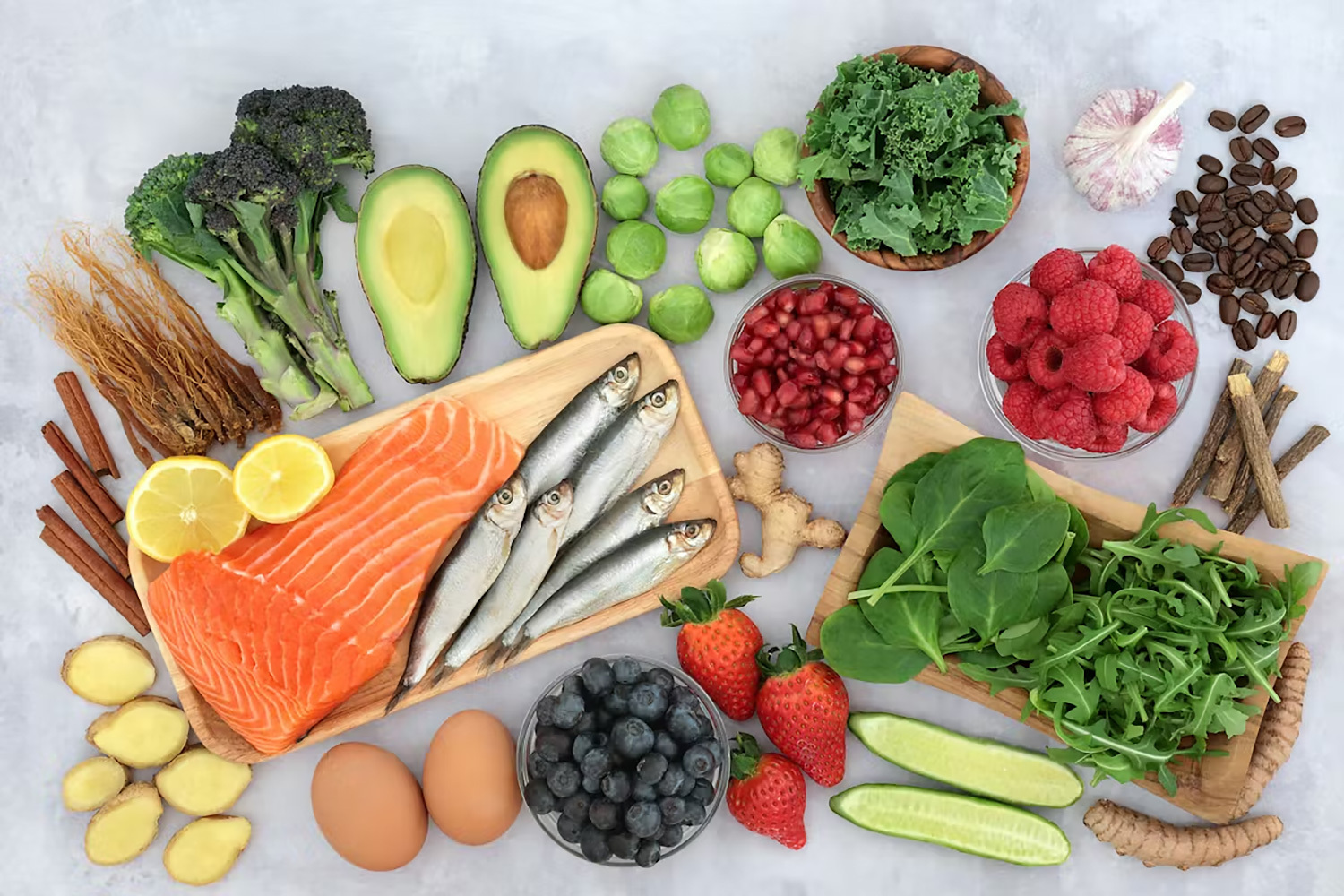
Many foods contain molecules capable of modulating inflammatory cytokines such as IL-6 and TNF alpha. An anti inflammatory diet emphasizes foods rich in polyphenols, antioxidants, and healthy fats, while reducing processed foods and refined sugars.
- Omega-3 fatty acids,
- vegetables rich in polyphenols,
- minimal processed foods low in simple sugars.
These choices help calm immune overactivation and rebalance the omega 6 to omega 3 ratio, which is often very skewed in modern diets.
3. Key Micronutrients that Reduce Pain
Nutritherapy uses specific micronutrients to optimize biochemical reactions involved in inflammation and pain.
- Omega 3 fatty acids (EPA/DHA)
They are among the most powerful natural anti inflammatory agents and help reduce the production of inflammatory molecules. - Magnesium
It relaxes muscles, reduces spasms, and modulates nerve transmission related to pain perception. - Vitamin D
A major regulator of the immune system. A deficiency increases inflammation and joint sensitivity. - Antioxydants (such as vitamins C and E and polyphenols)
They reduce oxidative stress, one of the primary drivers of chronic inflammation. - Curcumin, boswellia, ginger
These plant compounds are well documented for reducing joint, digestive, and muscular pain.

4. Restoring Microbiome Balance
The intestinal microbiome directly influences inflammatory cytokine production.
When the microbiome is imbalanced, inflammation tends to increase and can trigger or worsen conditions like joint pain, autoimmune disorders, chronic digestive issues, migraines, and inflammatory fatigue.
Nutritherapy helps rebalance the microbiome through prebiotics, probiotics, fiber, and a diet free of microbiome disruptors.
A healthy microbiome supports reduced systemic inflammation and improved immune regulation.
5. Balancing Blood Sugar to Reduce Inflammation
Frequent glucose spikes stimulate continuous insulin release, which contributes to inflammation.
Unstable blood sugar is often linked to joint pain, abdominal weight gain, fatigue, and migraines.
By stabilizing meals and prioritizing fiber, protein, and healthy fats, nutritherapy helps reduce glucose fluctuations that fuel chronic inflammation.

6. Supporting Mitochondria to Reduce Chronic Pain
Mitochondria, the energy factories of the cells, play a central role in pain perception.
When they are overloaded, stressed, or lacking key nutrients, they produce excessive free radicals, increasing sensitivity to pain.
Nutritherapy supports mitochondrial function with nutrients such as CoQ10, alpha lipoic acid, carnitine, magnesium, and B vitamins.
This often results in reduced muscle pain, improved energy, and better nerve function.

7. Personalised Assessment Using the BIODY XPERT zm3
Chronic pain is frequently linked to deeper physical imbalances such as visceral inflammation, lack of muscle mass, cellular dehydration, or excess extracellular water.
The BIODY XPERT zm3 provides detailed measurements of :
- body composition,
- intra and extracellular hydration,
- muscle mass,
- inflammatory visceral fat,
- metabolic age,
- and cellular stress levels.
This information allows nutritherapy to be highly personalised, adapting nutritional and micronutrient recommendations to the individual's biological needs.
Conclusion
Chronic pain and inflammation are not inevitable. By acting directly on the underlying mechanisms of inflammation, including diet, micronutrients, microbiome balance, glucose stability, and oxidative stress, nutritherapy offers a comprehensive and lasting approach to reduce pain and improve quality of life.
Combined with an advanced body composition analysis like the BIODY XPERT zm3, nutritherapy becomes an even more precise and effective tool for addressing inflammation at its source.