Cancer prevention
reducing risks through diet
Nutritional therapy and cancer prevention
Cancer is a complex disease influenced by genetic, environmental, and lifestyle factors.
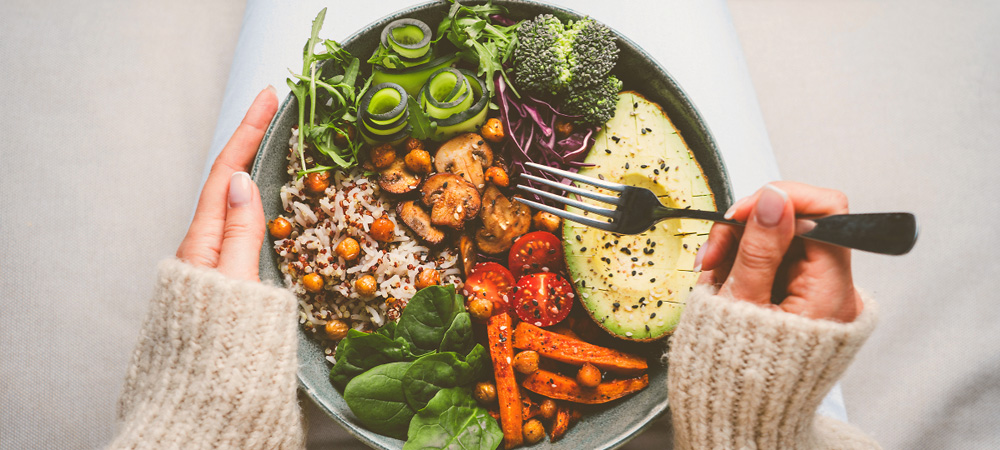
Among these, nutrition plays a pivotal role in both prevention and supporting patients before, during, and after treatment. A poor diet, excessive consumption of processed foods, refined sugars, and unhealthy fats can increase inflammation, oxidative stress, and the risk of cancer development, whereas a balanced diet rich in proteins, complex carbohydrates, healthy fats, vitamins, minerals, and antioxidants can strengthen the body’s natural defenses and protect cells from damage.
Nutritherapy focuses on optimizing nutritional status, controlling body weight, and supporting overall health, including immunity, digestive function, and metabolic balance. For individuals in good health, it reduces cancer risk, while for patients who have undergone or are undergoing treatment, it helps prevent relapses, improves tolerance to therapies such as chemotherapy and radiotherapy, and enhances quality of life.
Beneficial foods
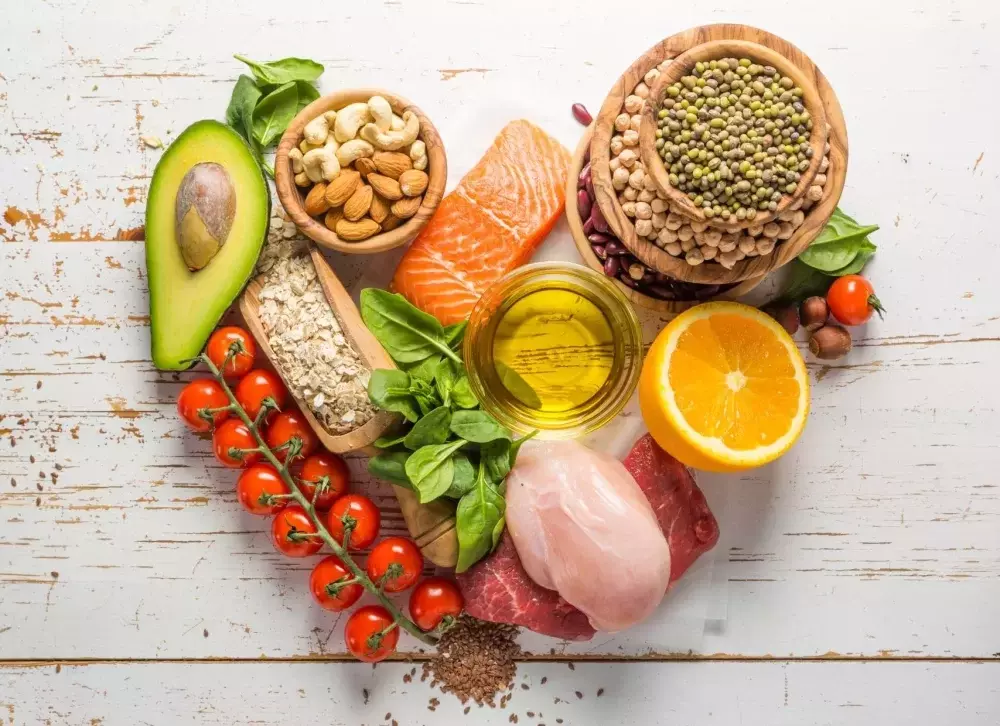
- Light proteins:
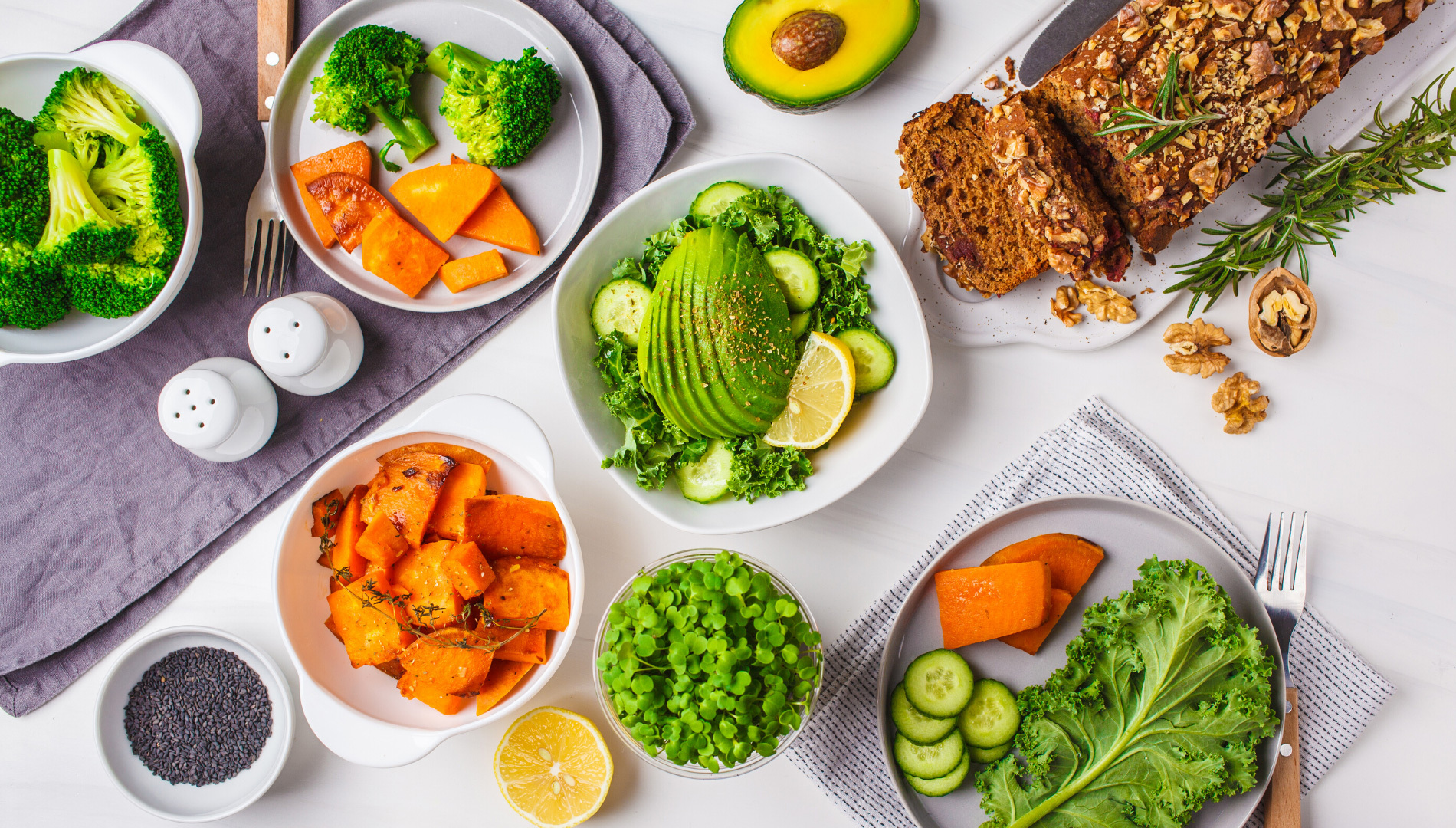
white fish, skinless poultry, eggs, cooked and pureed legumes - Gentle complex carbohydrates:
oatmeal, well-cooked rice, boiled potatoes and sweet potatoes - Fruits low in insoluble fiber or cooked:
peeled apples and pears, ripe bananas, papaya - Cooked vegetables:
carrots, zucchini, spinach, pumpkin, well-cooked broccoli and cauliflower - Healthy fats:
extra virgin olive oil, avocado, fatty fish rich in omega-3 - Antioxidant-rich foods:
red fruits, carrots, pumpkin - Nutritious liquids:
broths, herbal teas, smoothies - Mild probiotics:
plain low-fat yogurt, kefir
Foods to limit or avoid
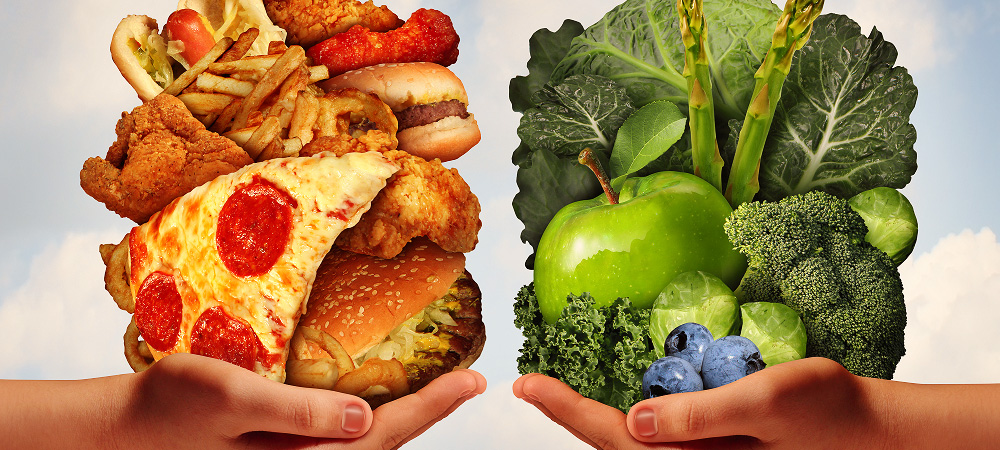
- Saturated fats and fried foods, fast food
- Red meats and processed meats, grilled or smoked meats
- Refined sugars and ultra-processed foods
- Full-fat dairy products
- Alcohol and caffeinated beverages
- Highly seasoned or spicy foods
- Raw or undercooked foods
- Excess insoluble fiber for digestive cancers
Personalized prevention
Not all cancers are the same, and dietary strategies must be adapted to the type of cancer, the stage of the disease, treatment protocols, and individual patient needs.
For example:
- Breast cancer:
limiting alcohol, maintaining a healthy weight, and increasing vegetable intake are strongly recommended. - Colorectal cancer:
reducing red and processed meats, refined carbohydrates, and alcohol, while increasing fiber intake and physical activity, can reduce risk by up to 50%. - Gastric cancer:
reducing salt, smoked or cured foods, and managing Helicobacter pylori infection are critical preventive measures. - Lung cancer:
a diet rich in fruits and vegetables has been shown to reduce incidence by approximately 30%.
The nutritherapy approach is always individualized, taking into account the patient’s metabolic status, digestive tolerance, allergies, preferences, and any side effects from treatments. Personalized nutritional plans aim not only to reduce cancer risk but also to maintain body weight, prevent malnutrition, support immunity, and improve overall treatment outcomes.
Conclusion
Nutritherapy helps reduce cancer risk and improve quality of life through a balanced diet rich in protective nutrients and personalized to each individual. Healthy lifestyle habits, regular physical activity, and medical supervision remain essential for effective prevention.