Nutritional therapy and Gastrointestinal Health
restoring balance in the digestive system
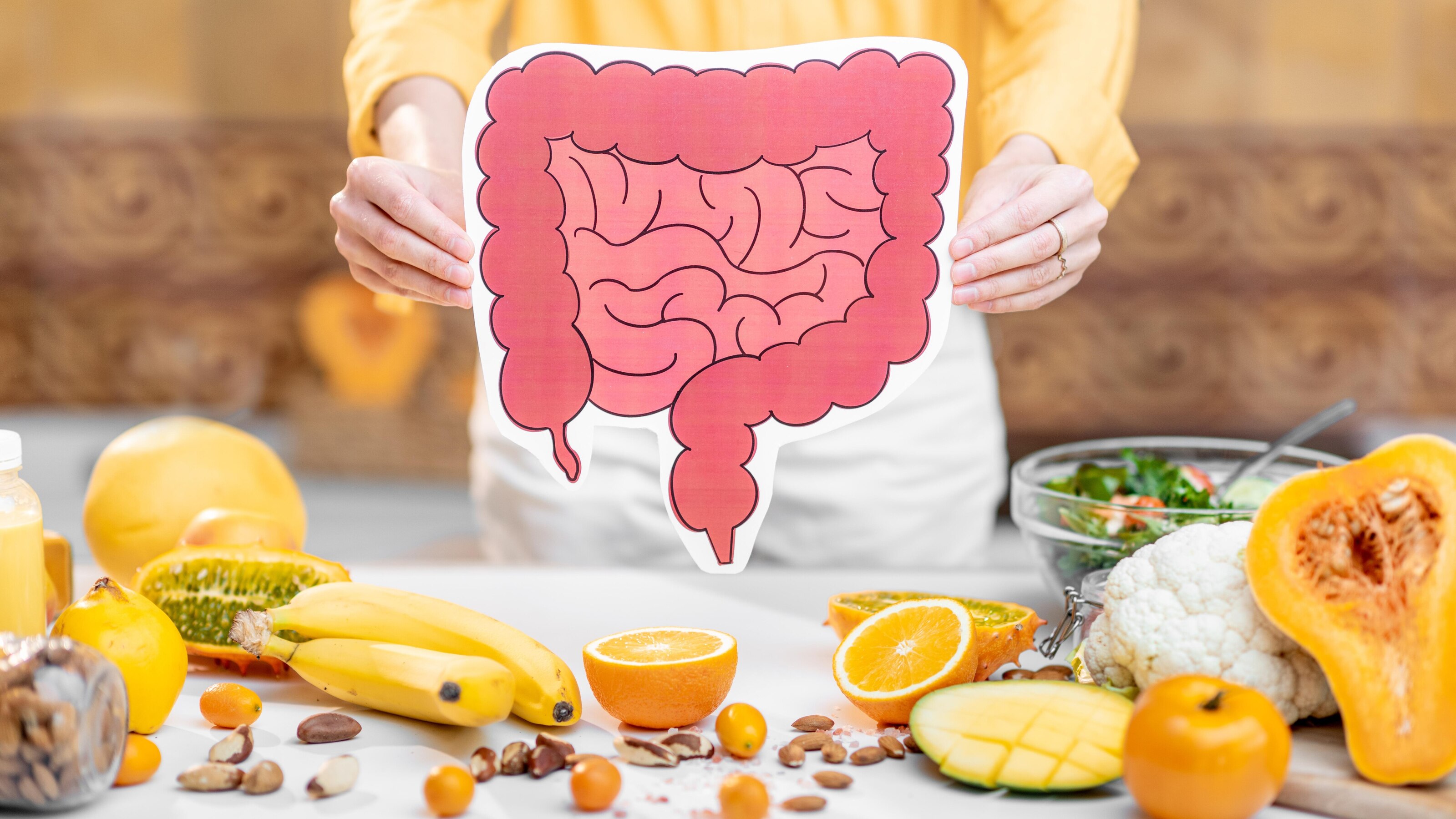
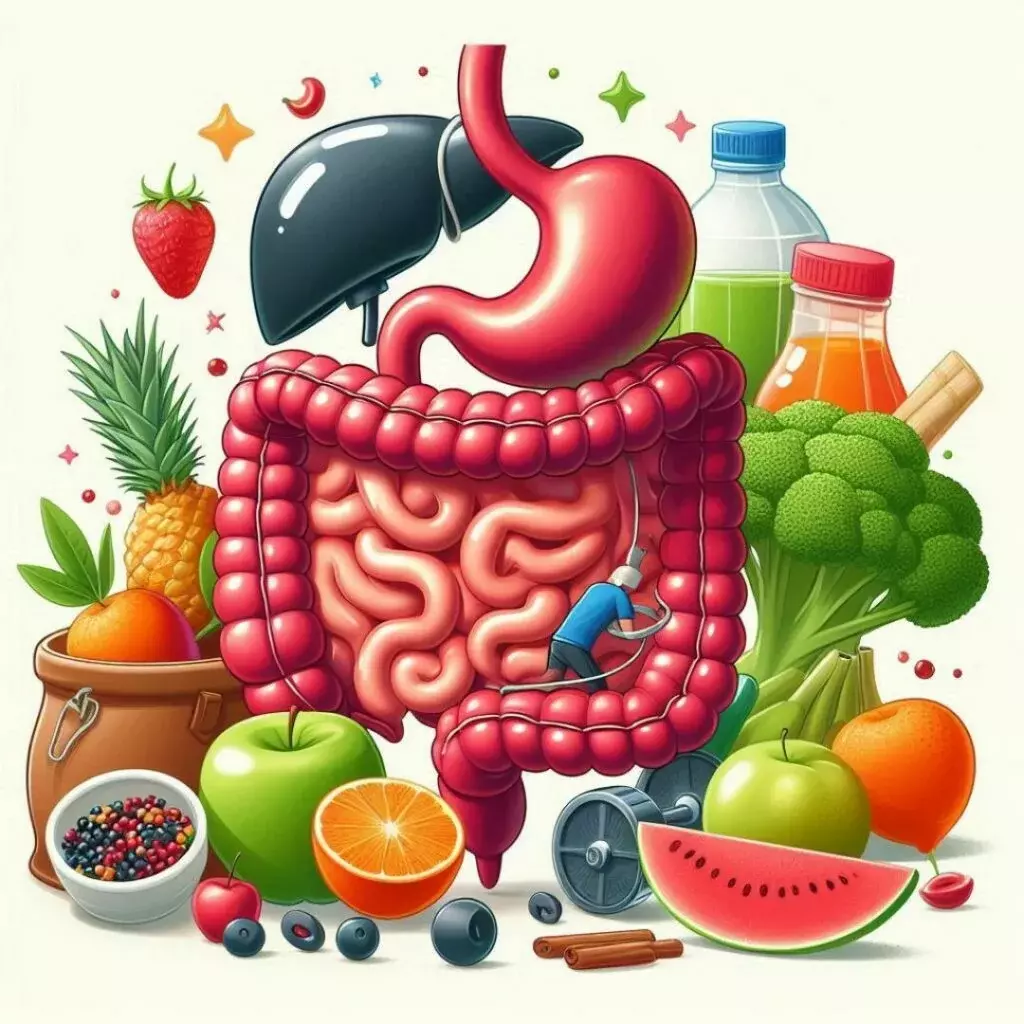
The gastrointestinal system is one of the most essential pillars of overall health.
It does far more than digest food, it influences immunity, energy production, mood, hormones, and even weight regulation. When this delicate balance is disrupted, various symptoms may appear, such as bloating, reflux, irregular transit, food sensitivities, chronic inflammation, or persistent fatigue.
Nutritherapy offers a scientific and personalized approach, using nutrition and targeted micronutrients to restore digestive health. By acting on the microbiome, the intestinal lining, inflammation levels, and enzymatic processes, it helps bring the digestive system back to a comfortable and efficient state.
1. The central role of the gut microbiome
The microbiome is a vast ecosystem containing billions of microorganisms that help digest fibres, produce vitamins, protect against pathogens, and regulate immunity. When this ecosystem becomes imbalanced, a condition known as dysbiosis, a wide range of symptoms can appear, from irritable bowel syndrome to weight gain, skin issues, or chronic digestive discomfort.
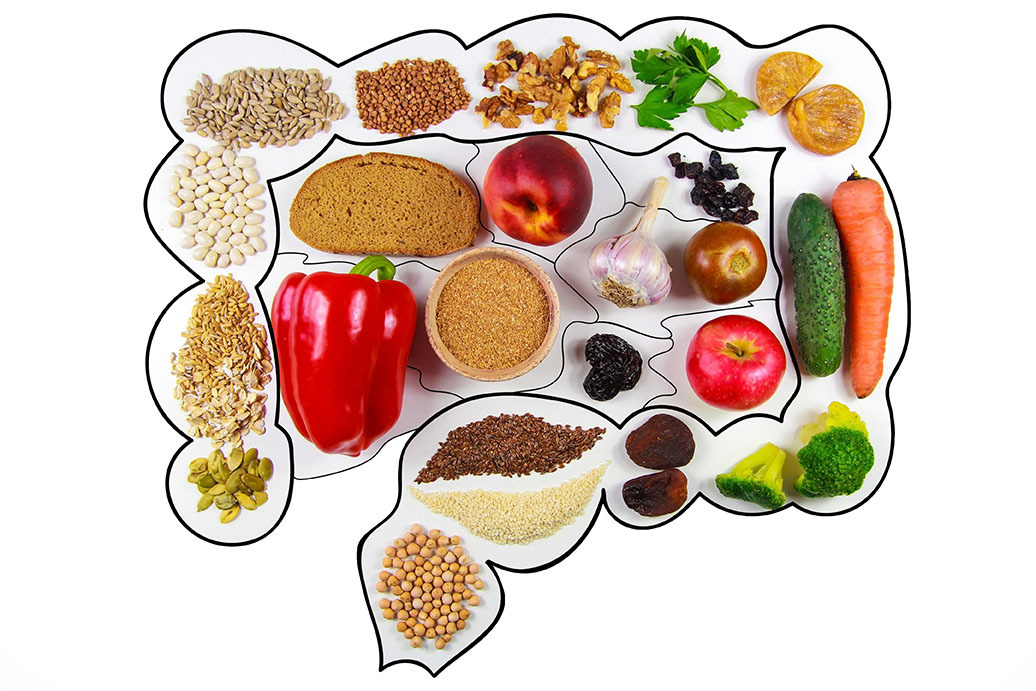
Nutritherapy works by creating an environment that supports microbial diversity. This includes fibre rich foods, prebiotics, and targeted probiotics. The goal is not to eradicate certain bacteria but to restore a stable and diverse microbial community.
2. Reducing digestive inflammation through micronutrients
The digestive tract is highly sensitive to inflammatory processes. Diets high in refined sugars, oxidised fats, or additives can maintain low grade inflammation that leads to gas, cramping, burning sensations, and food hypersensitivities.
Nutritherapy uses anti inflammatory micronutrients such as omega 3 EPA and DHA, vitamin D, plant polyphenols, and soothing botanical compounds. These nutrients help reduce inflammatory cytokine production and bring more comfort to the digestive system.
The objective is to create a less reactive, more resilient environment in the gut.

3. Supporting the intestinal lining and restoring the gut barrier
The intestinal barrier acts as a selective filter. It must allow nutrients to pass while blocking unwanted particles. When this barrier becomes permeable, partially digested food particles or toxins can cross into the bloodstream, triggering immune reactions, fatigue, and chronic pain.
Nutritherapy strengthens this barrier through nutrients like zinc, glutamine, B vitamins, and specific antioxidants. A healthy intestinal lining is essential for preventing chronic digestive disorders and reducing food sensitivities.
4. Optimising digestion and digestive enzymes
Effective digestion depends on enzymes produced by the stomach, pancreas, and intestine. When enzymes are lacking or underperforming, food is not properly broken down, leading to fermentation, gas, and discomfort after meals.
Nutritherapy evaluates these mechanisms to identify potential deficiencies. Temporary enzymatic support or dietary adjustments can improve food breakdown and reduce symptoms.
Better digestion also means improved absorption of essential nutrients.

5. The impact of blood sugar balance on digestive health
Blood sugar fluctuations indirectly affect the digestive system. Unstable glucose can increase cravings, disrupt intestinal motility, and fuel inflammation that impacts the microbiome.
By stabilising meals and prioritising fibre, protein, and healthy fats, nutritherapy reduces glycaemic swings and protects long term digestive health.
6. The link between the digestive system and the nervous system
The gut is often called the "second brain". It contains a dense network of nerves and a microbiome capable of producing neurotransmitters such as serotonin and GABA. When the gut becomes irritated, stress levels increase, and when stress rises, digestive symptoms worsen. This creates a vicious cycle that many people experience.
Nutritherapy supports the gut brain axis with nutrients that reduce oxidative stress, regulate neurotransmitter pathways, and encourage a balanced microbiome. This leads to calmer digestion, fewer hypersensitivities, and a more stable nervous system.

7. Measurement and personalisation, a core principle of modern nutritherapy
Each person has a unique digestive profile. Food reactions, microbiome composition, inflammation levels, and intestinal permeability vary greatly between individuals. This is why modern nutritherapy relies increasingly on precise assessments to tailor recommendations.
Advanced analysis tools such as the BIODY XPERT zm3 can complement this approach by assessing cellular hydration, lean mass involved in digestive function, and general inflammatory status. These insights allow an even more personalised and effective nutritional strategy.
Conclusion
Gastrointestinal health goes far beyond simple digestive comfort. It impacts immunity, energy, hormones, mood, and long term well being.
Nutritherapy offers a comprehensive and biologically informed approach to restore microbiome balance, reduce inflammation, repair the gut barrier, and optimise digestion.
With personalised assessments and gradual, targeted interventions, it remains one of the most effective and sustainable strategies for improving digestive comfort and overall health.